Biodesign summer schools
Ruta participated in two intensive biodesign summer schools focused on experimental practice at the intersection of biology, design, and material research.
These programmes combined hands-on laboratory work with critical discussion, enabling exploration of living materials, speculative methodologies, and ethical frameworks for working with biological systems.
Future of Life: Elementals
25.07.2023–29.07.2023
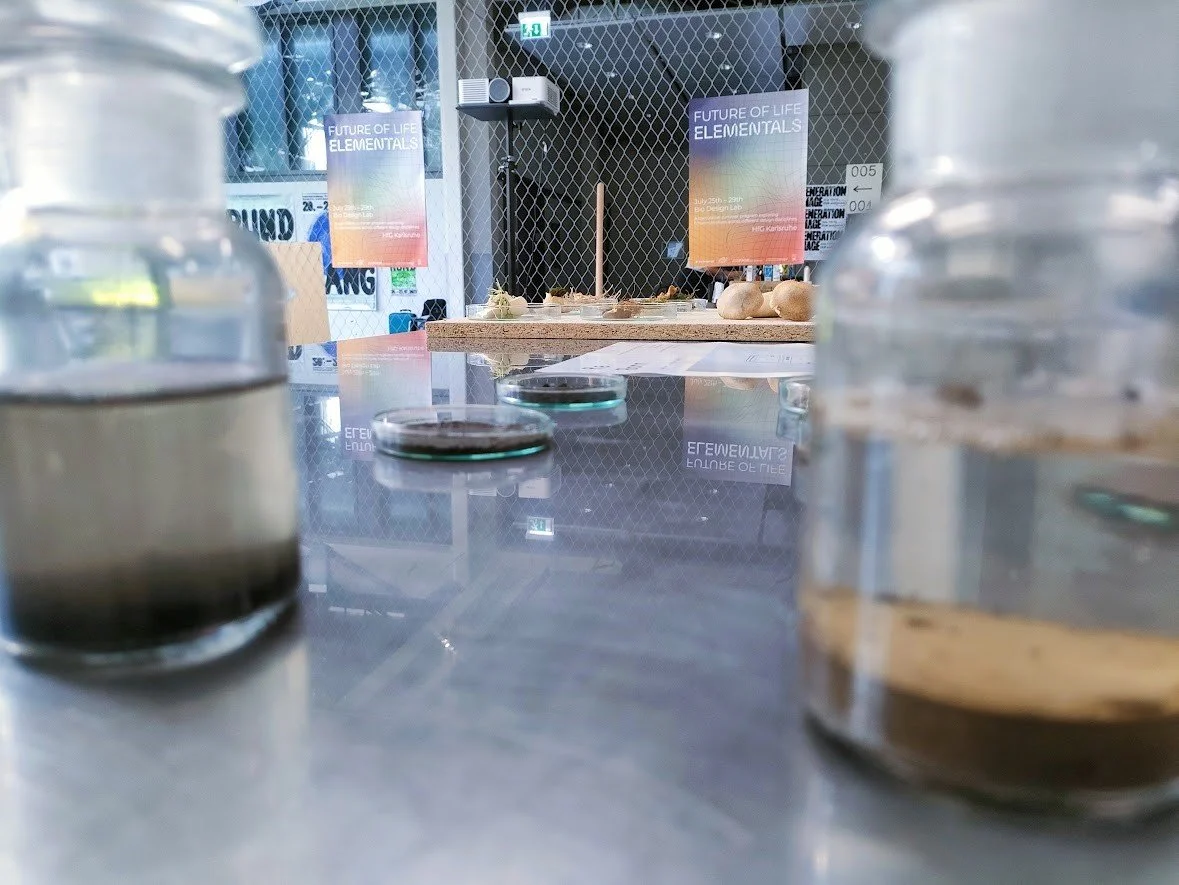
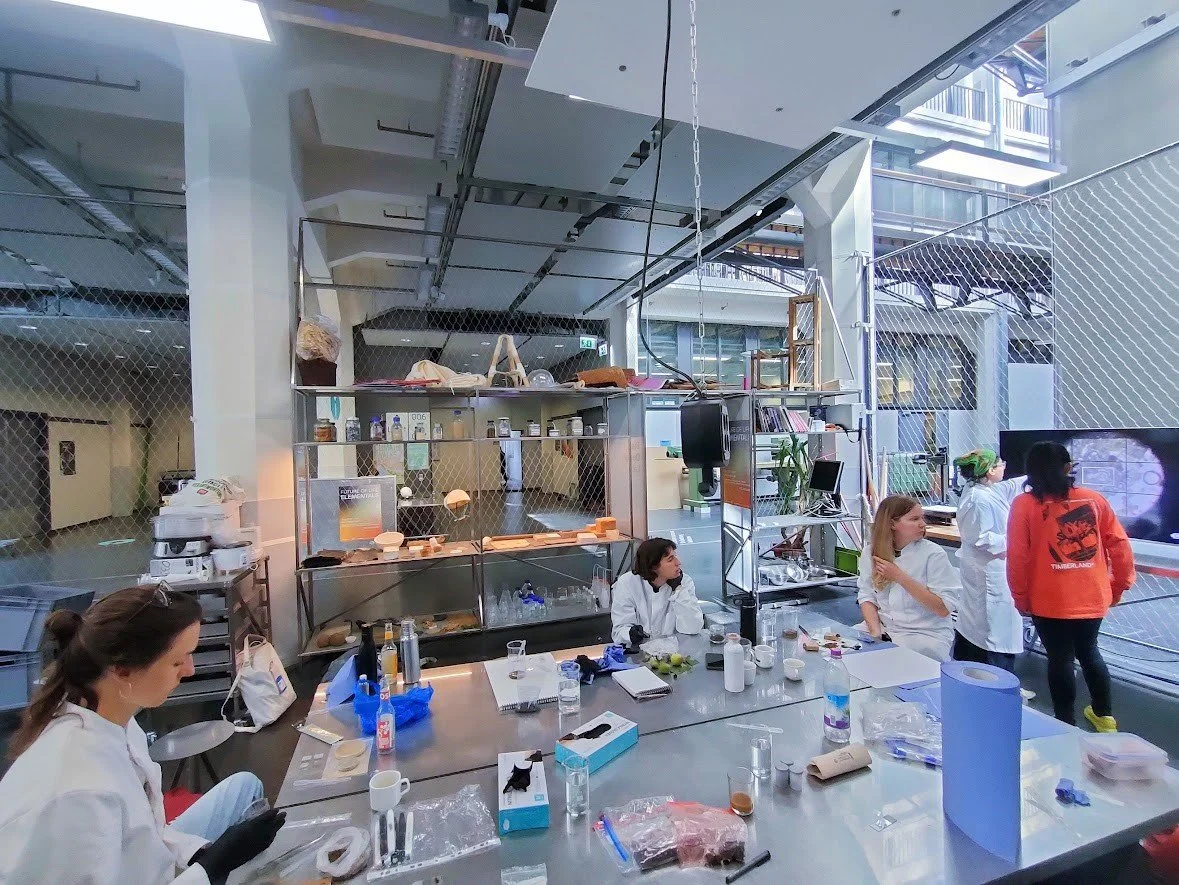
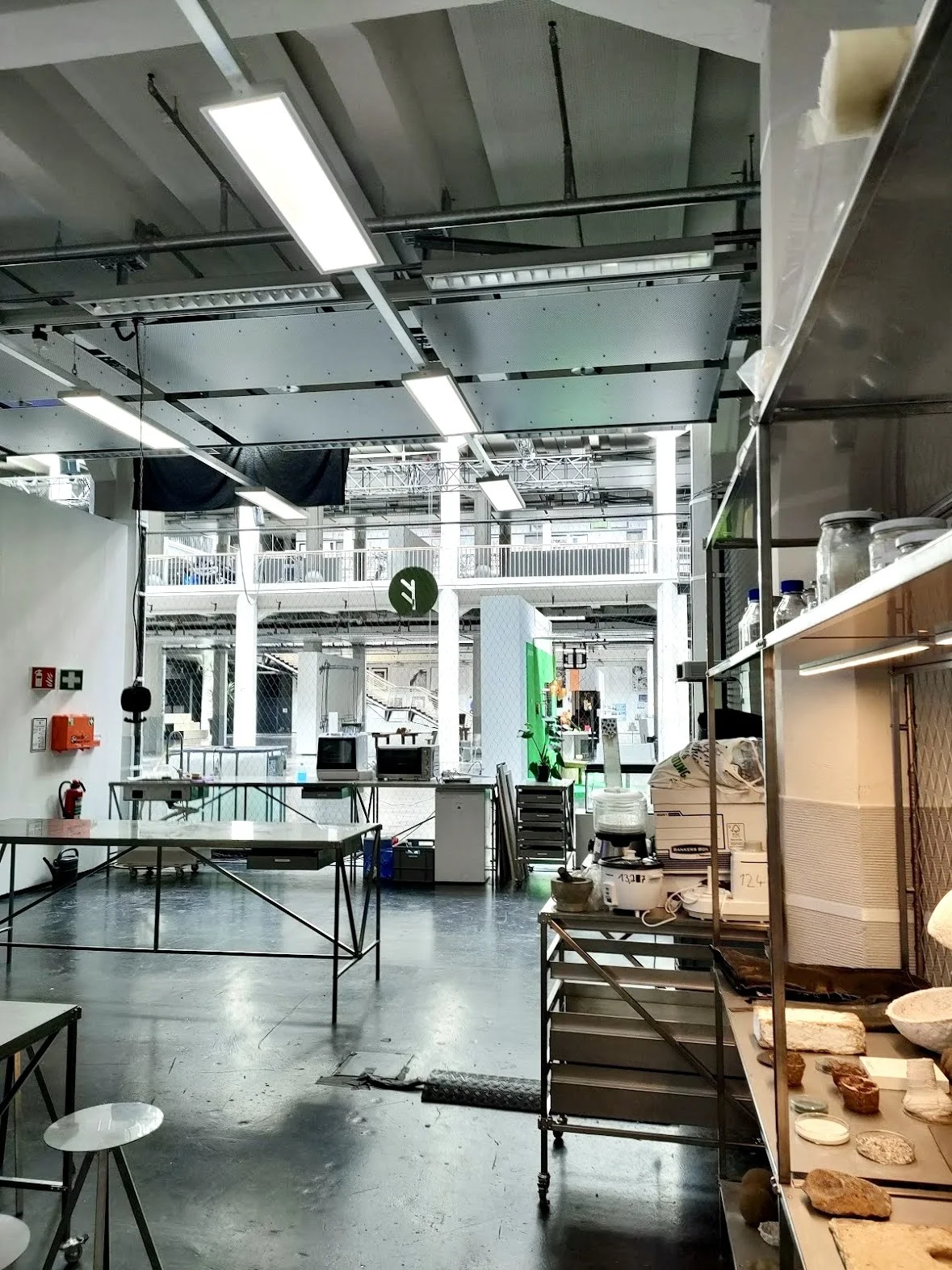
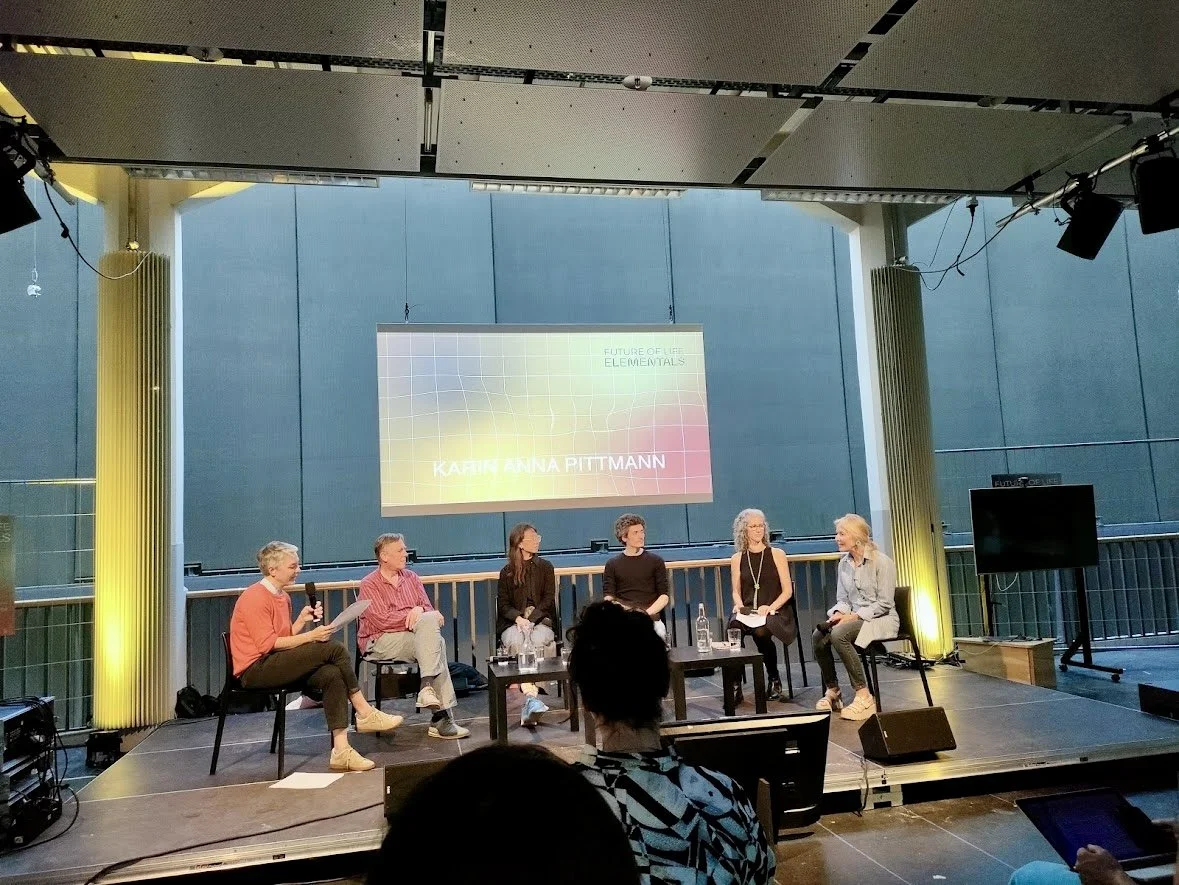
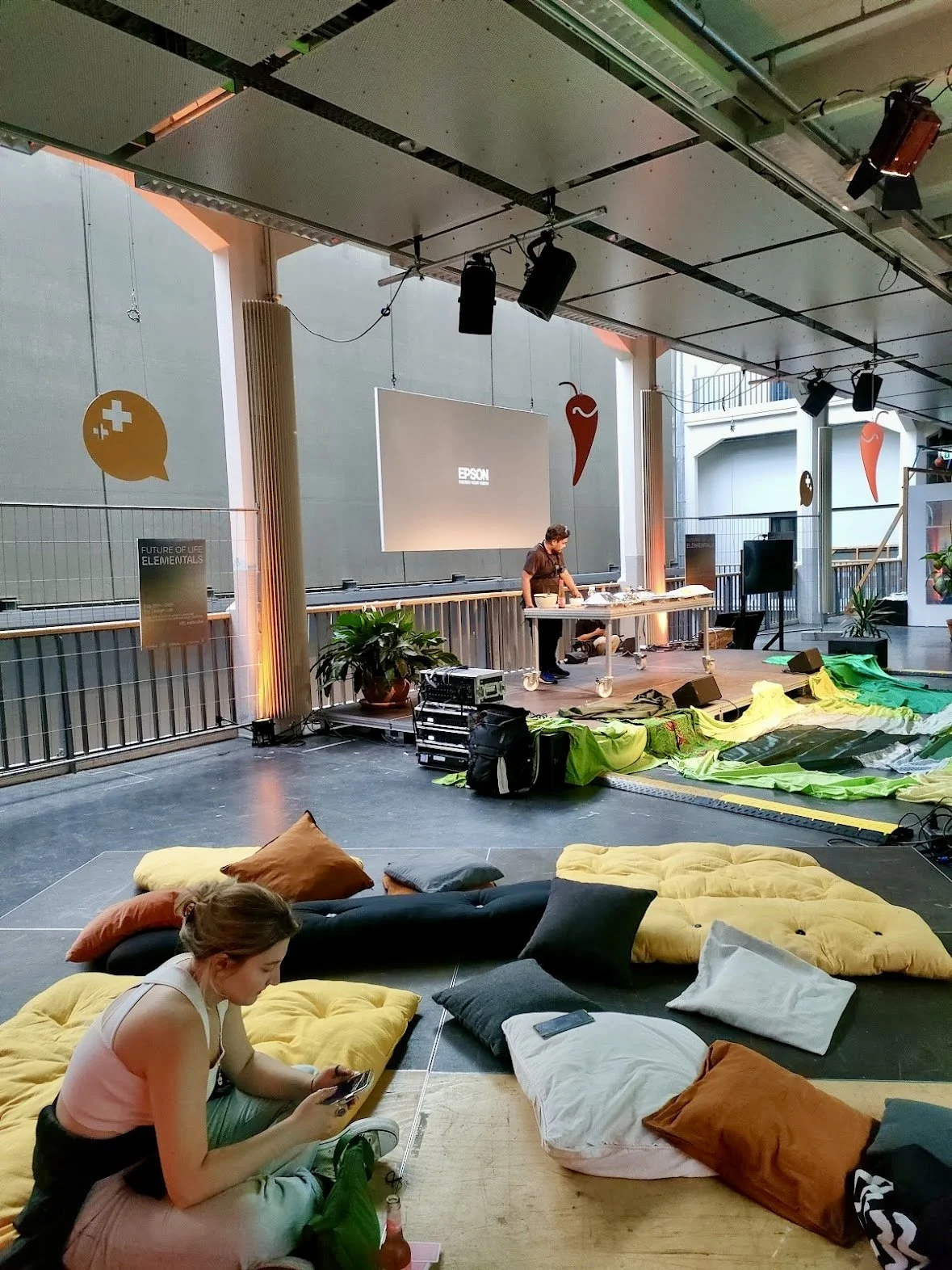
The program, hosted by the Bio Design Lab at HfG Karlsruhe, was an immersive five-day summer school exploring elemental forces - Fire, Water, Earth, and Air - and their role in shaping our increasingly unstable global environment.
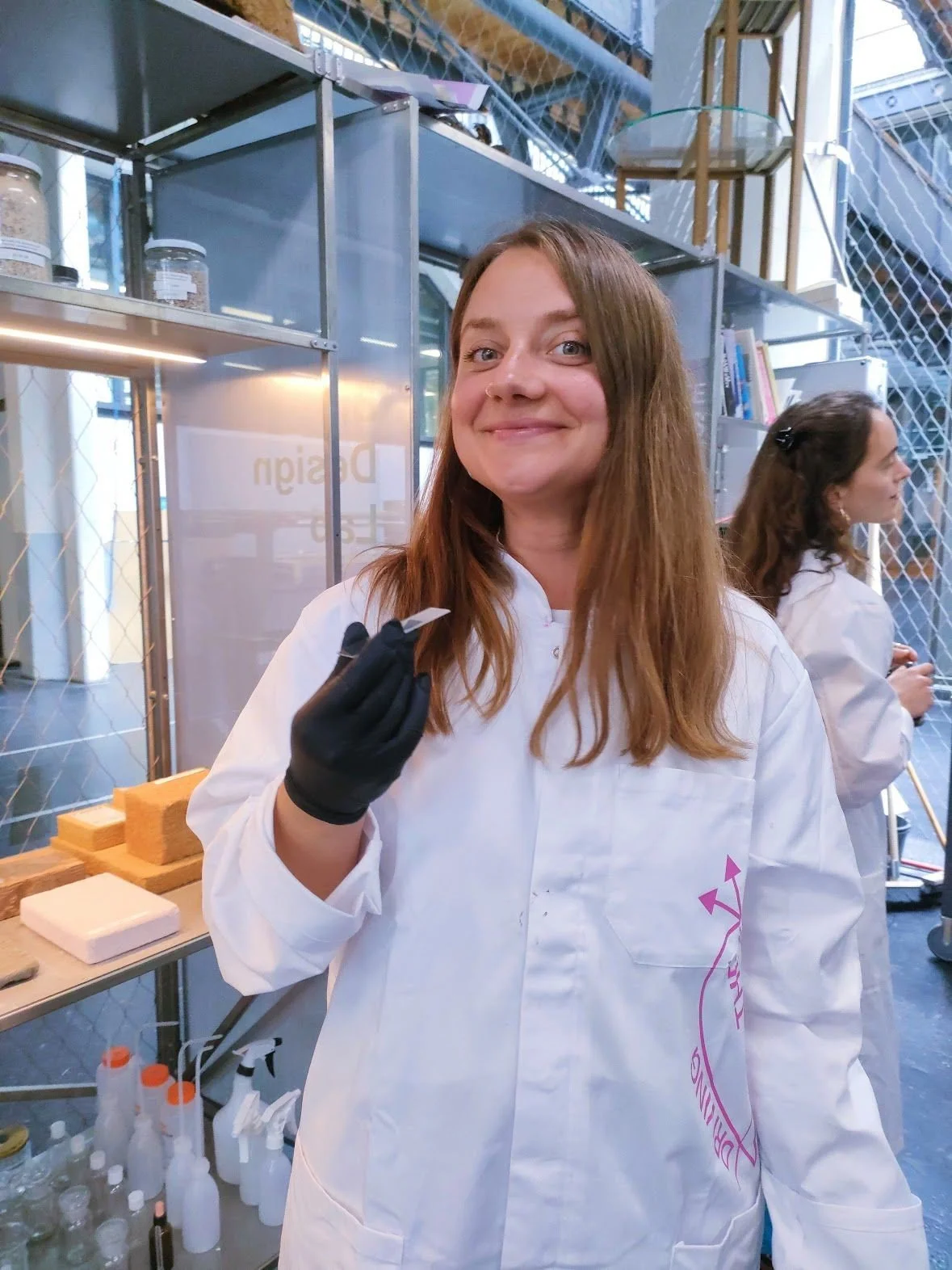
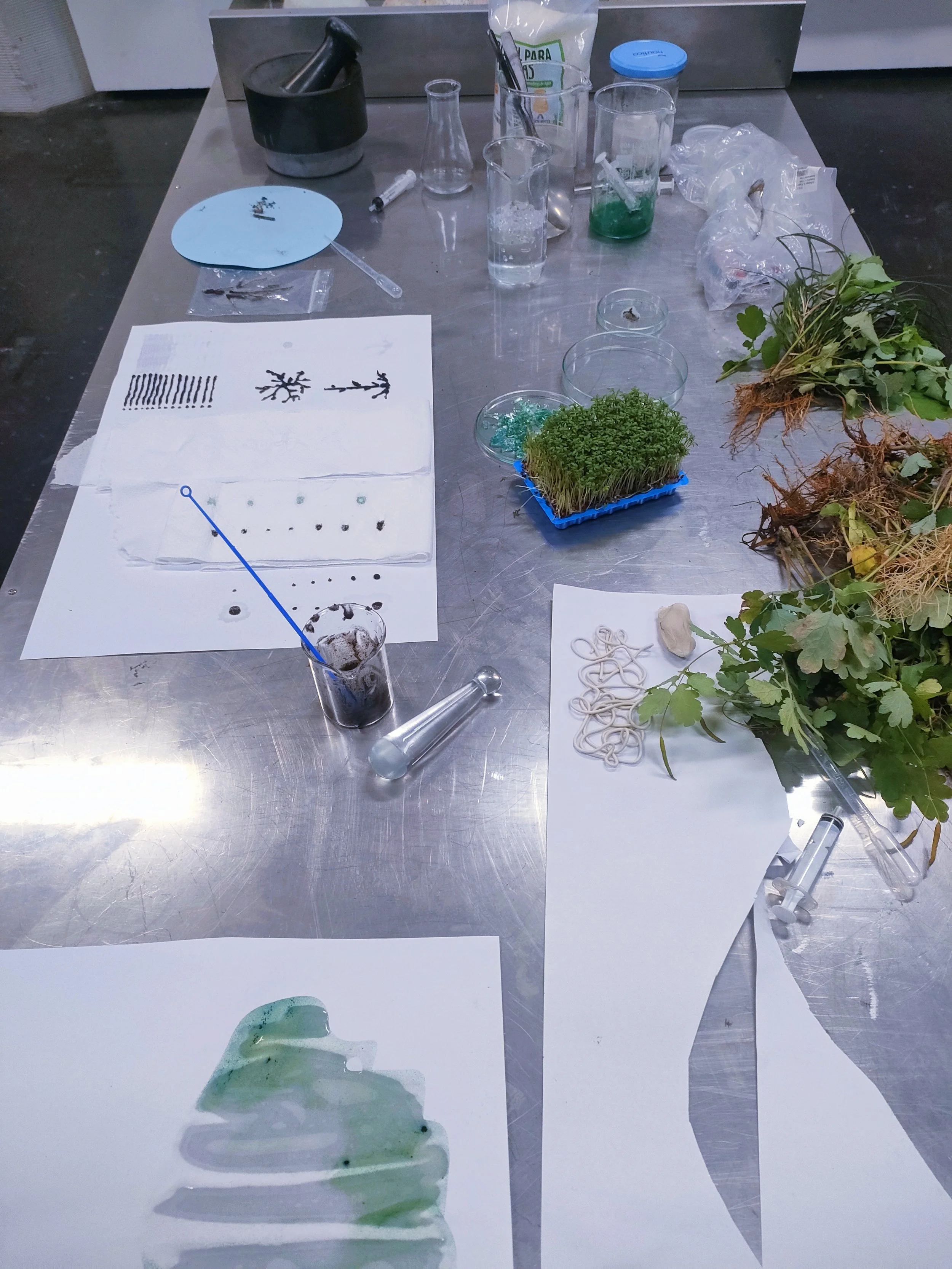
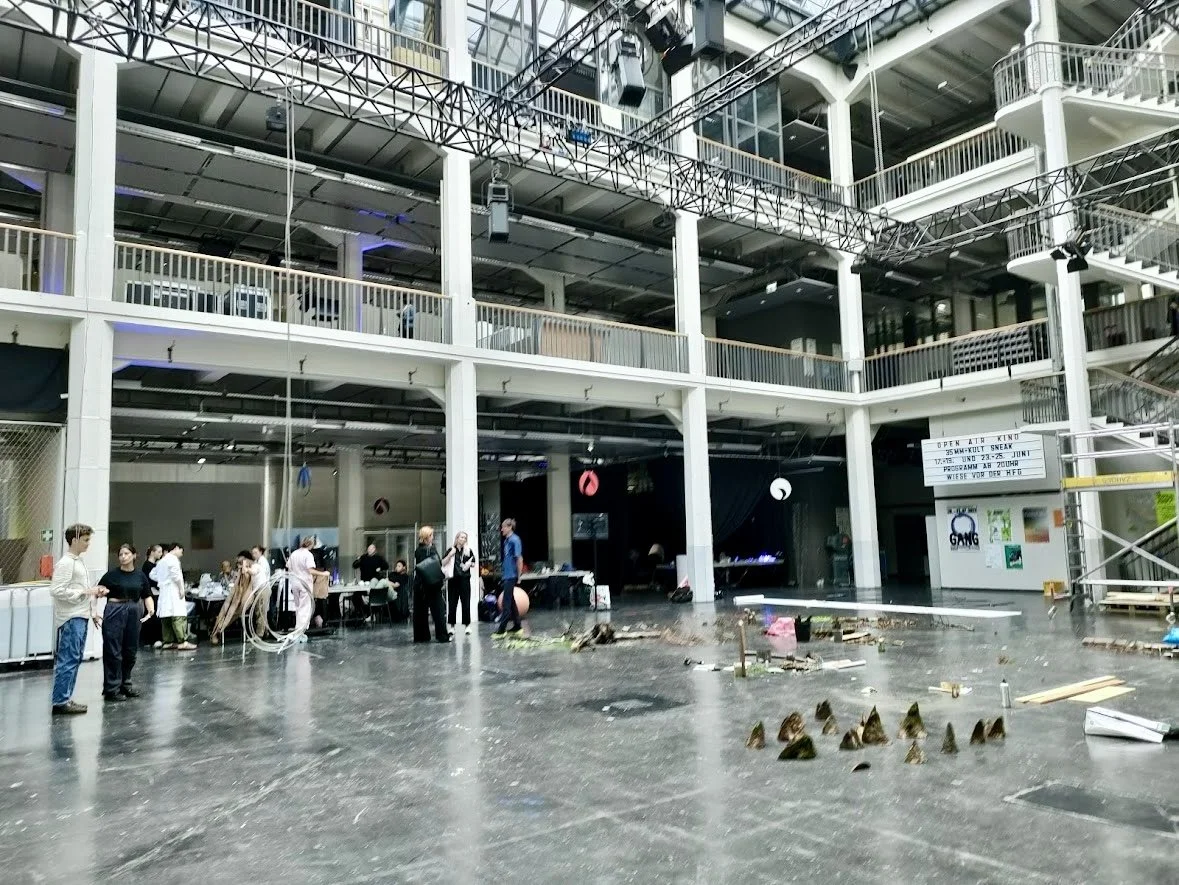
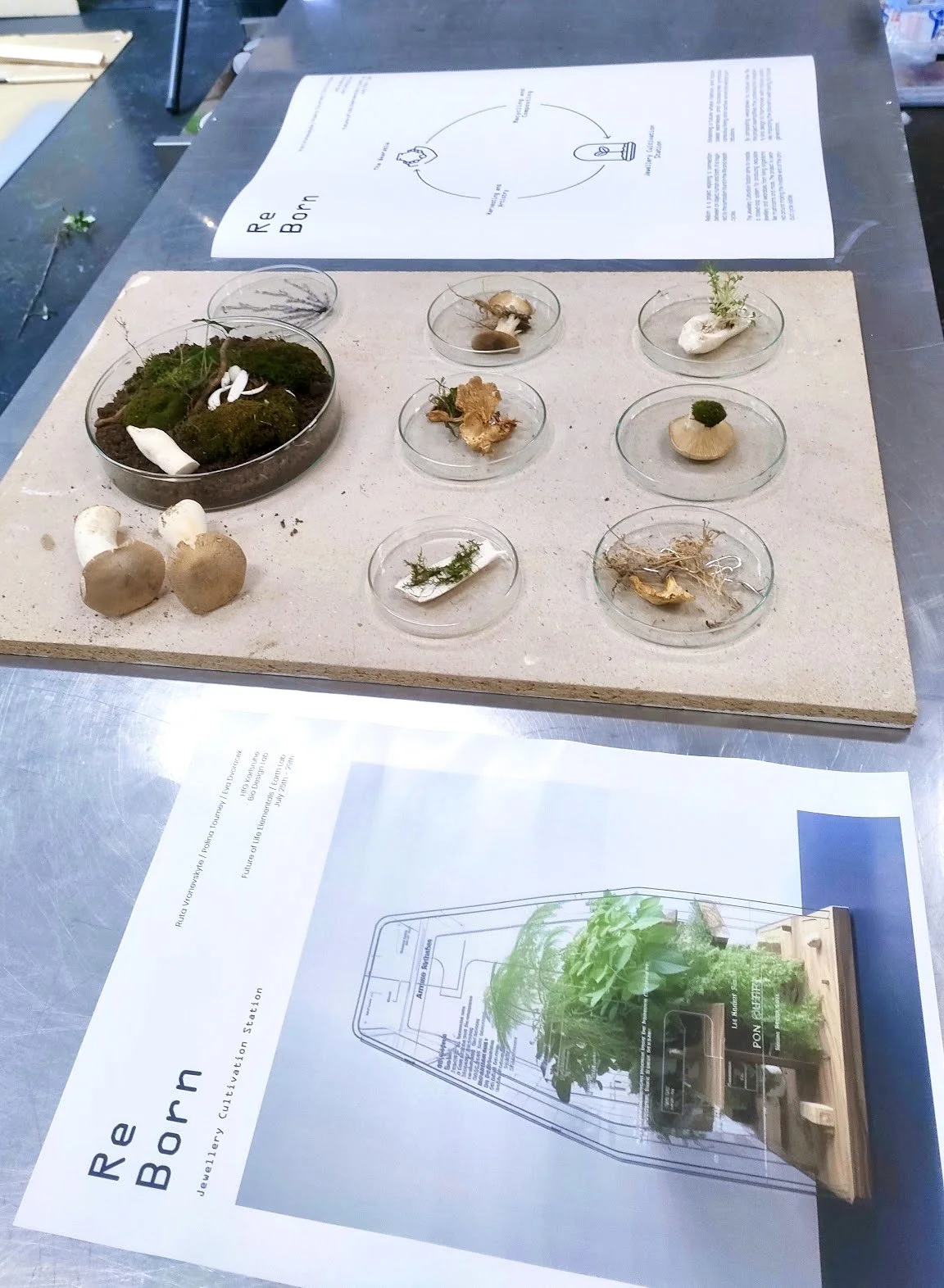
Over the course of five days, Ruta collaborated with a diverse team of peers and mentors to investigate the elemental force of Earth through hands-on, creative, and speculative exploration. Together with the Earth team, Ruta examined soil systems, geological formations, and ecological interdependencies, drawing on both artistic and scientific methods to imagine resilient futures and shared coexistence. The experience included visits to collaborative partner institutions like ZKM and KIT, enriching our project with insights from cutting-edge research.Their collective work was showcased at the final exhibition in the HfG Lichthof, culminating a deeply interdisciplinary journey that helped Ruta expand her design practice within environmental and material frameworks.
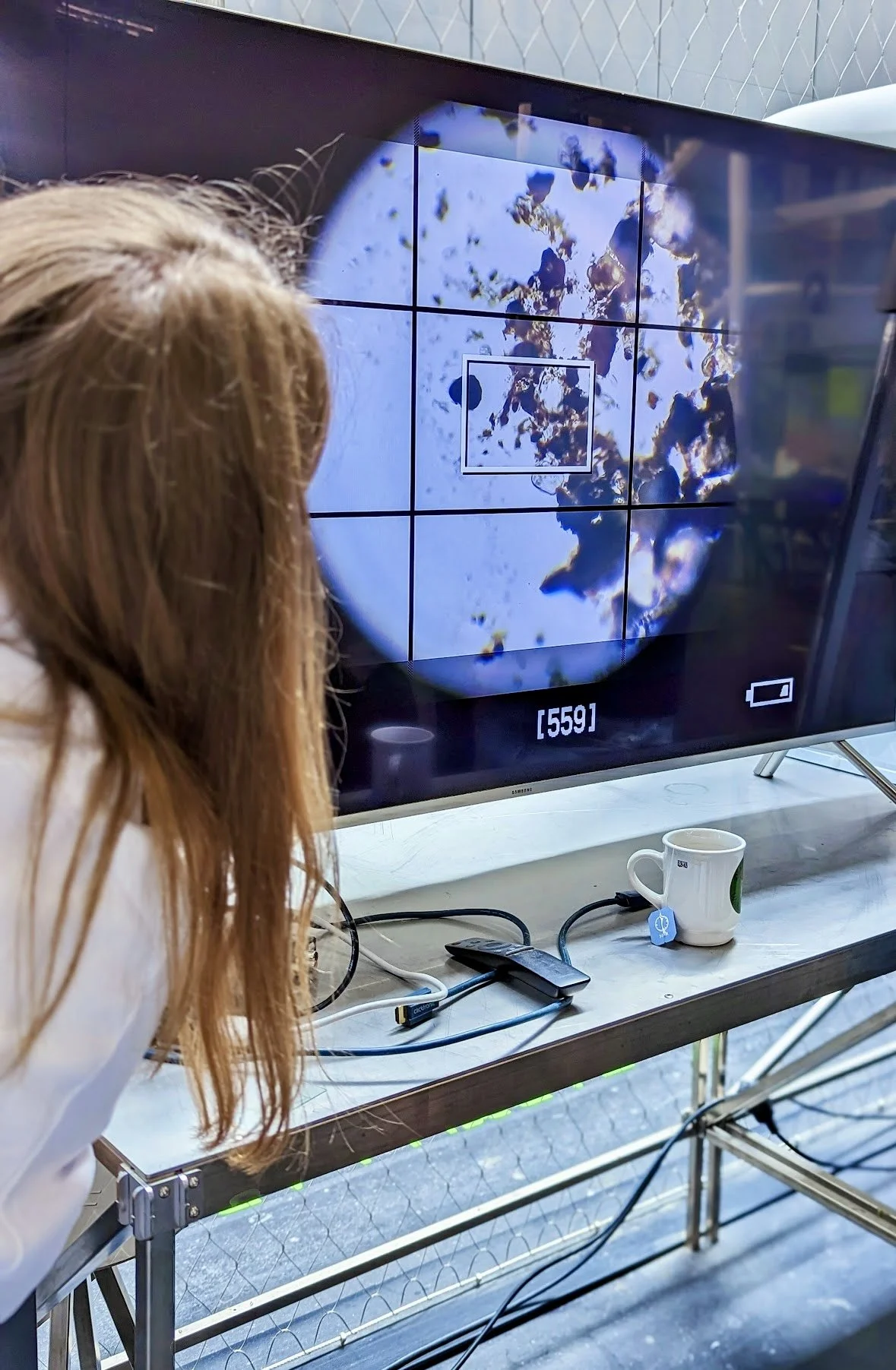
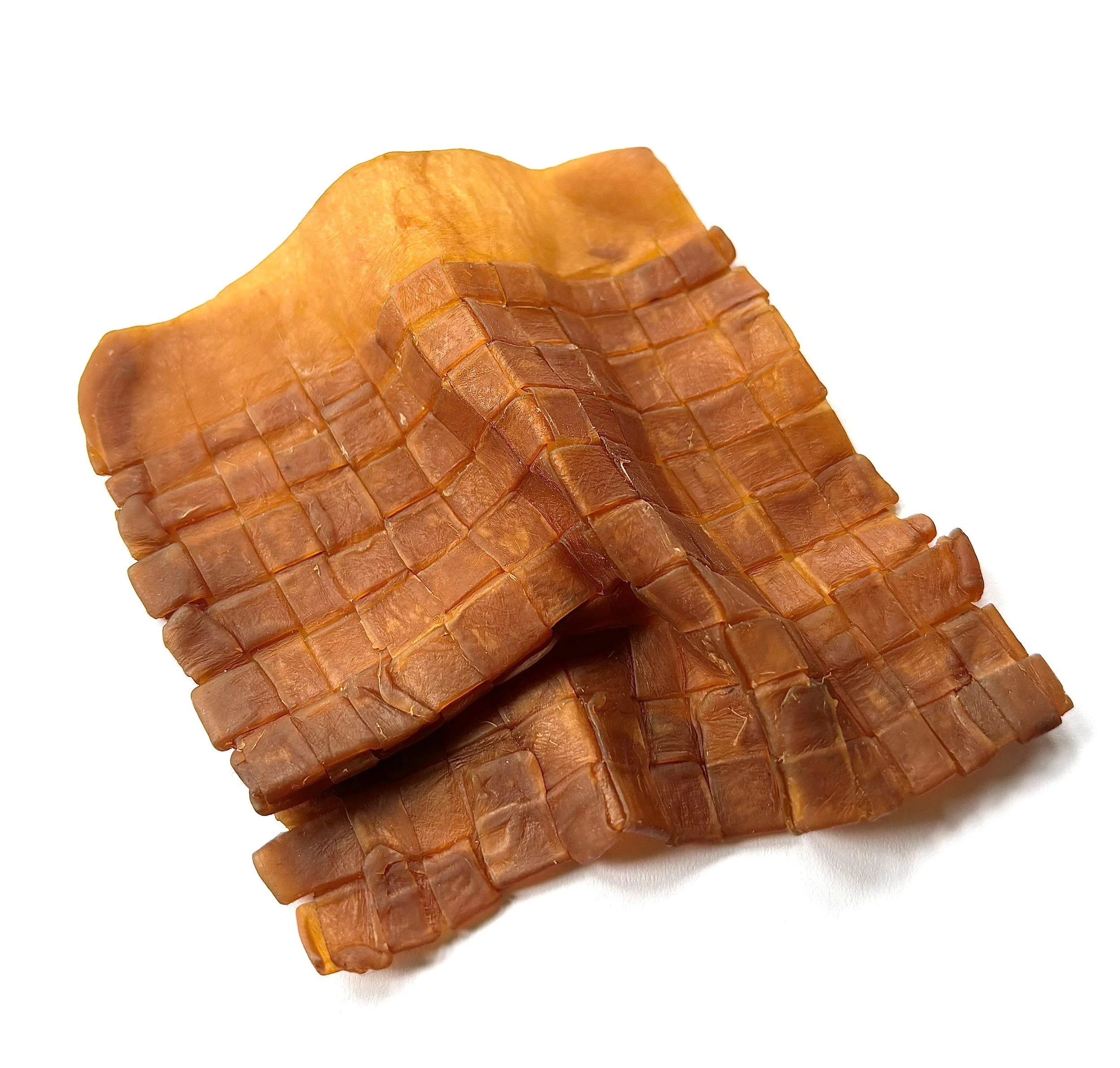
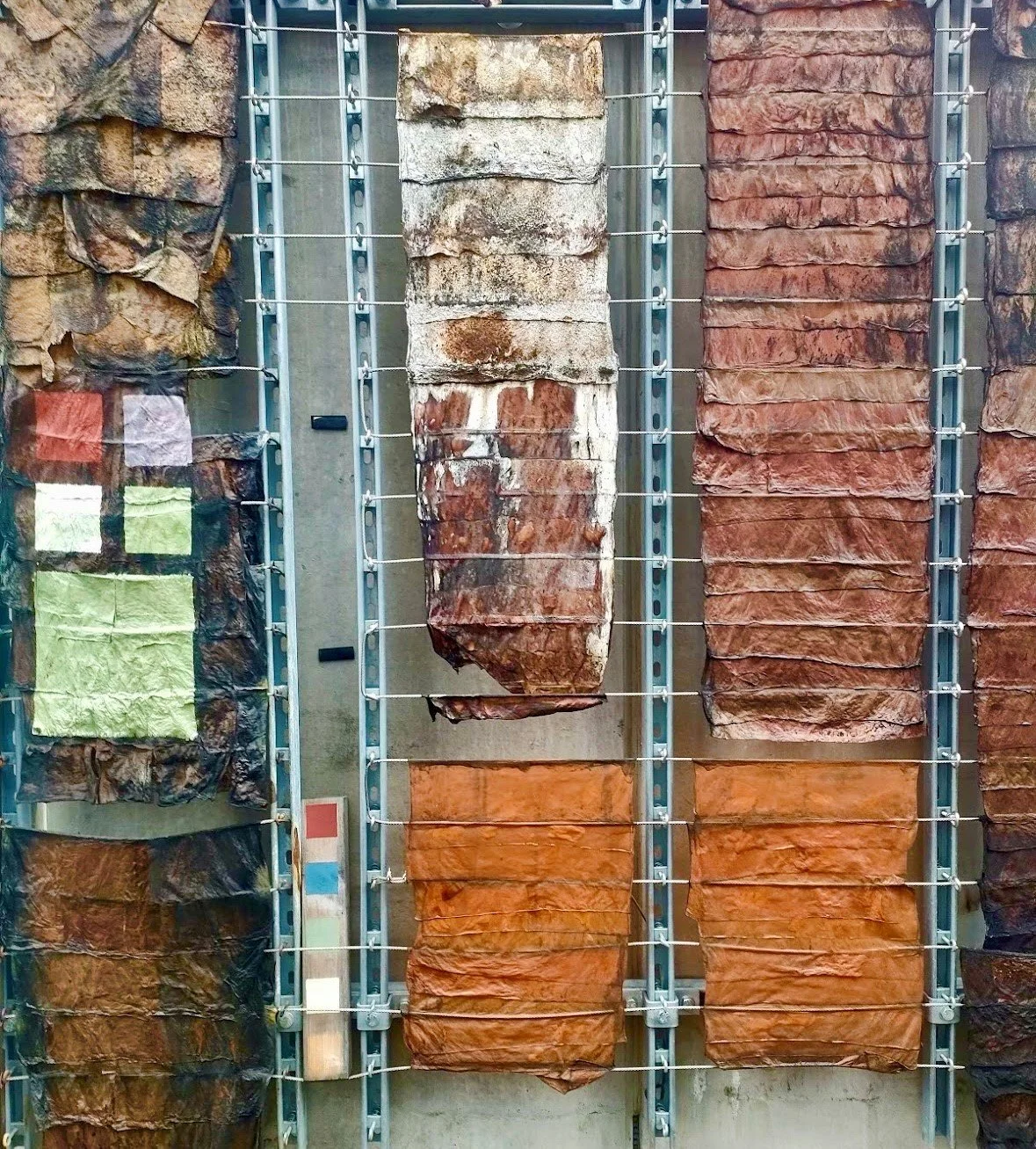
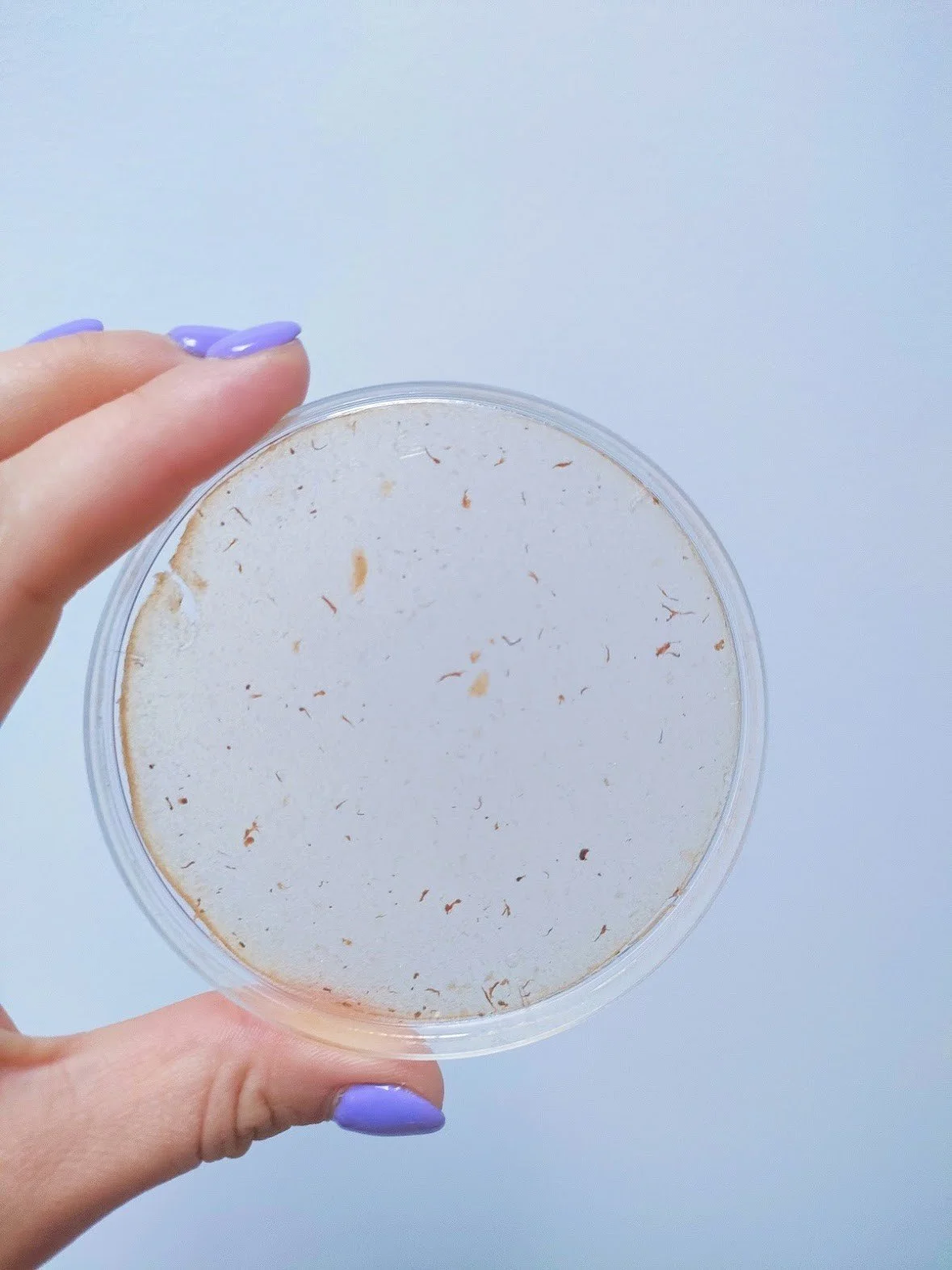
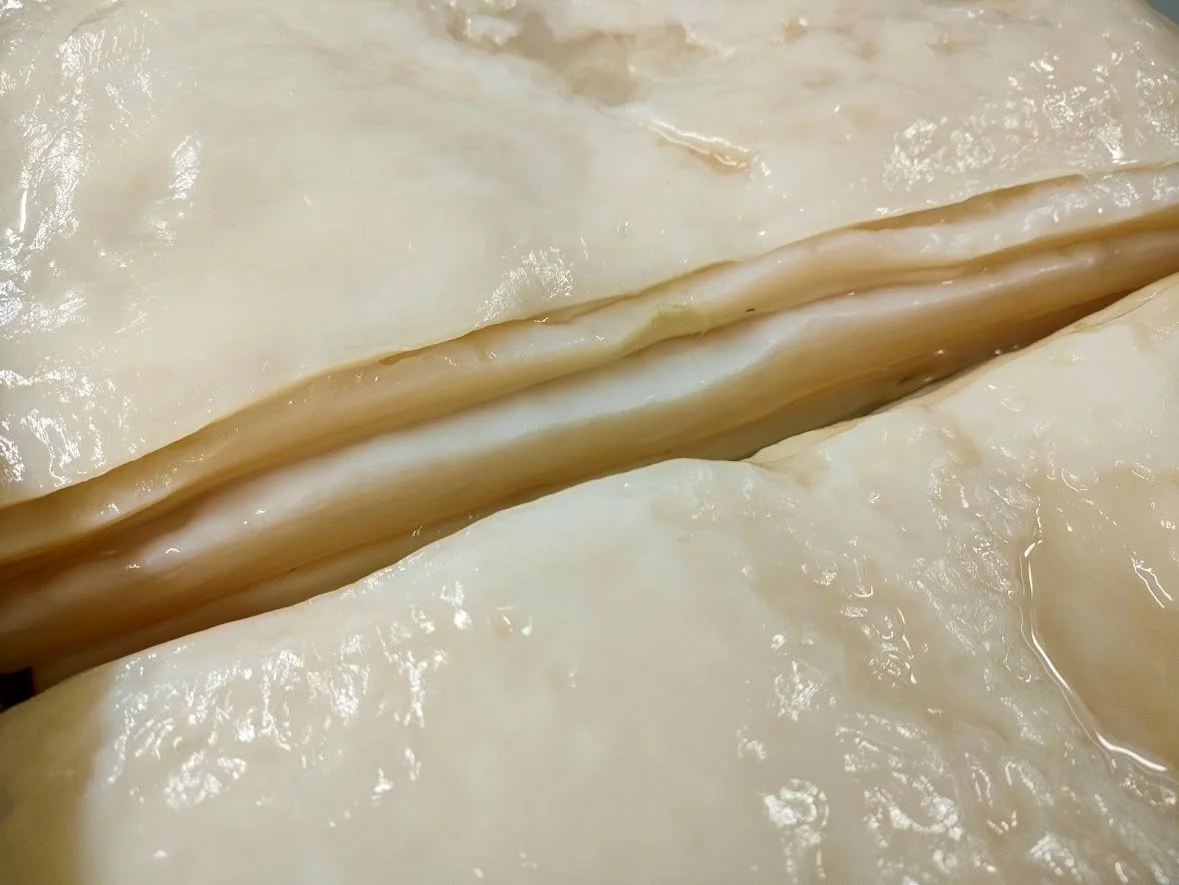
A five‑day intensive hands‑on summer school hosted by the Hub for Biotechnology in the Built Environment (HBBE) at Newcastle University’s OME experimental facility in Newcastle upon Tyne. It brought together a cohort of just nine innovators—designers, architects, engineers, and scientists—to explore, experiment with, and prototype applications for bacterial cellulose (BC) derived from SCOBY cultures
The Bacterial Cellulose Collaborative Summer School
31.07.2023–04.08.2023
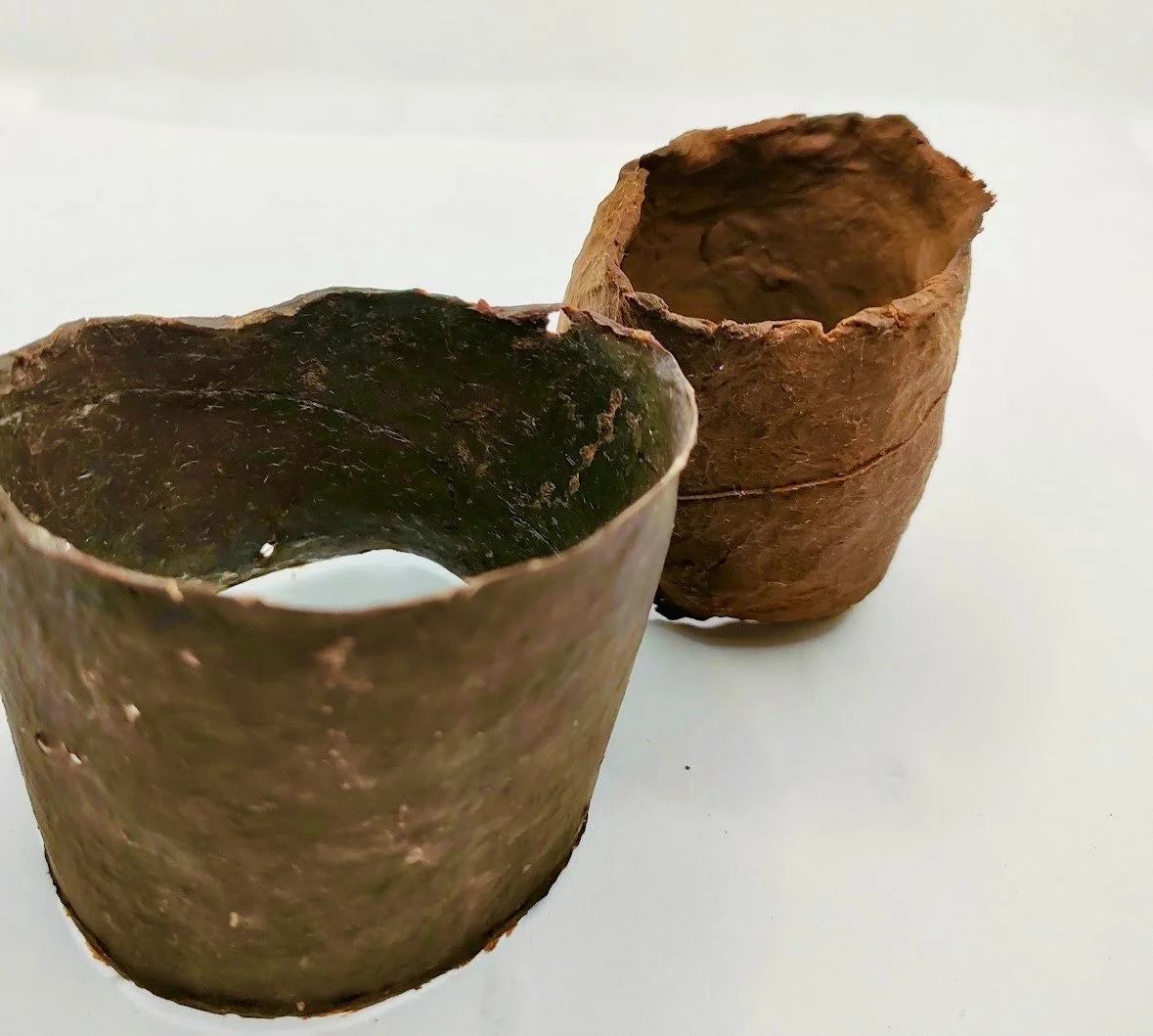
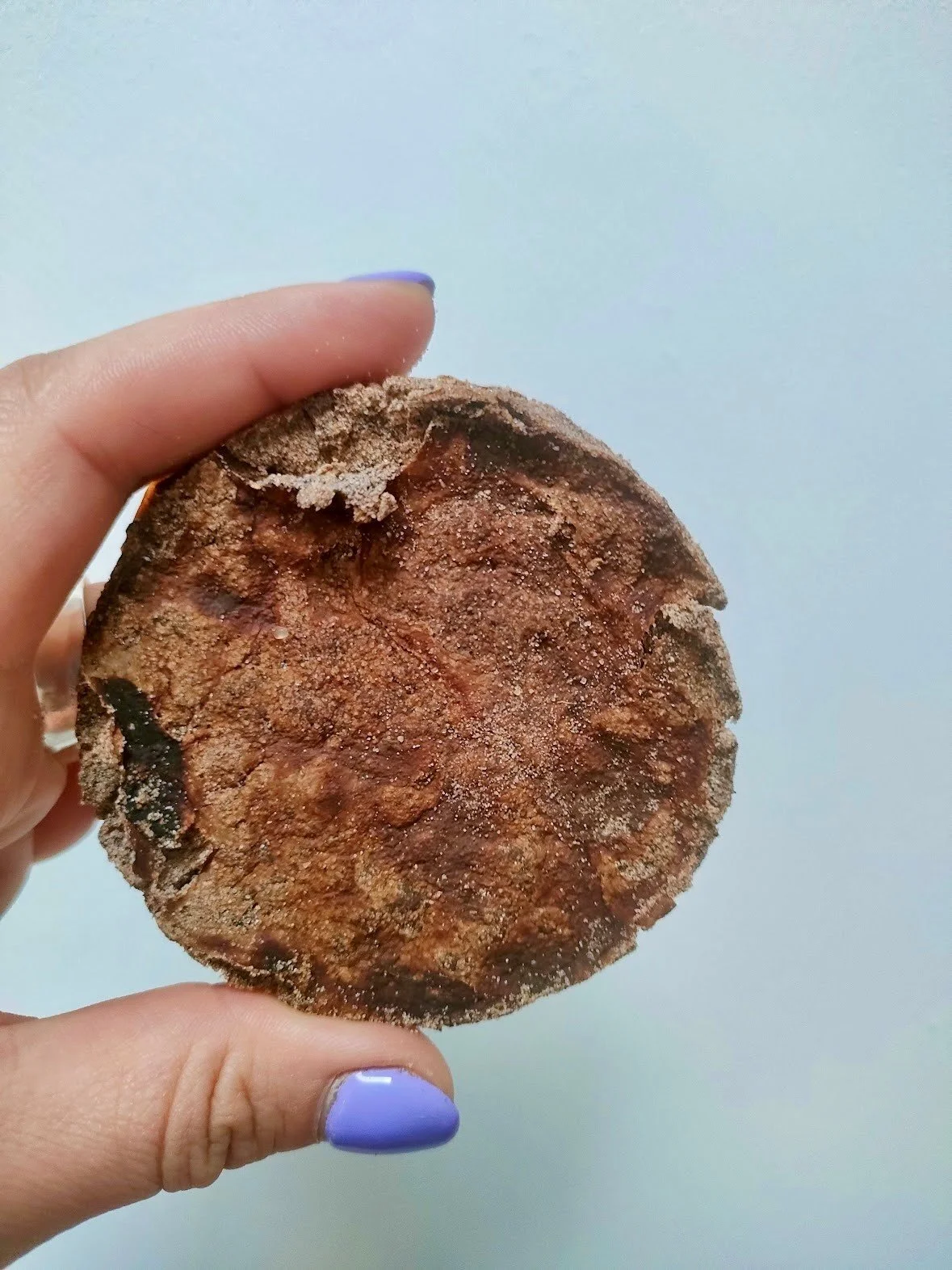
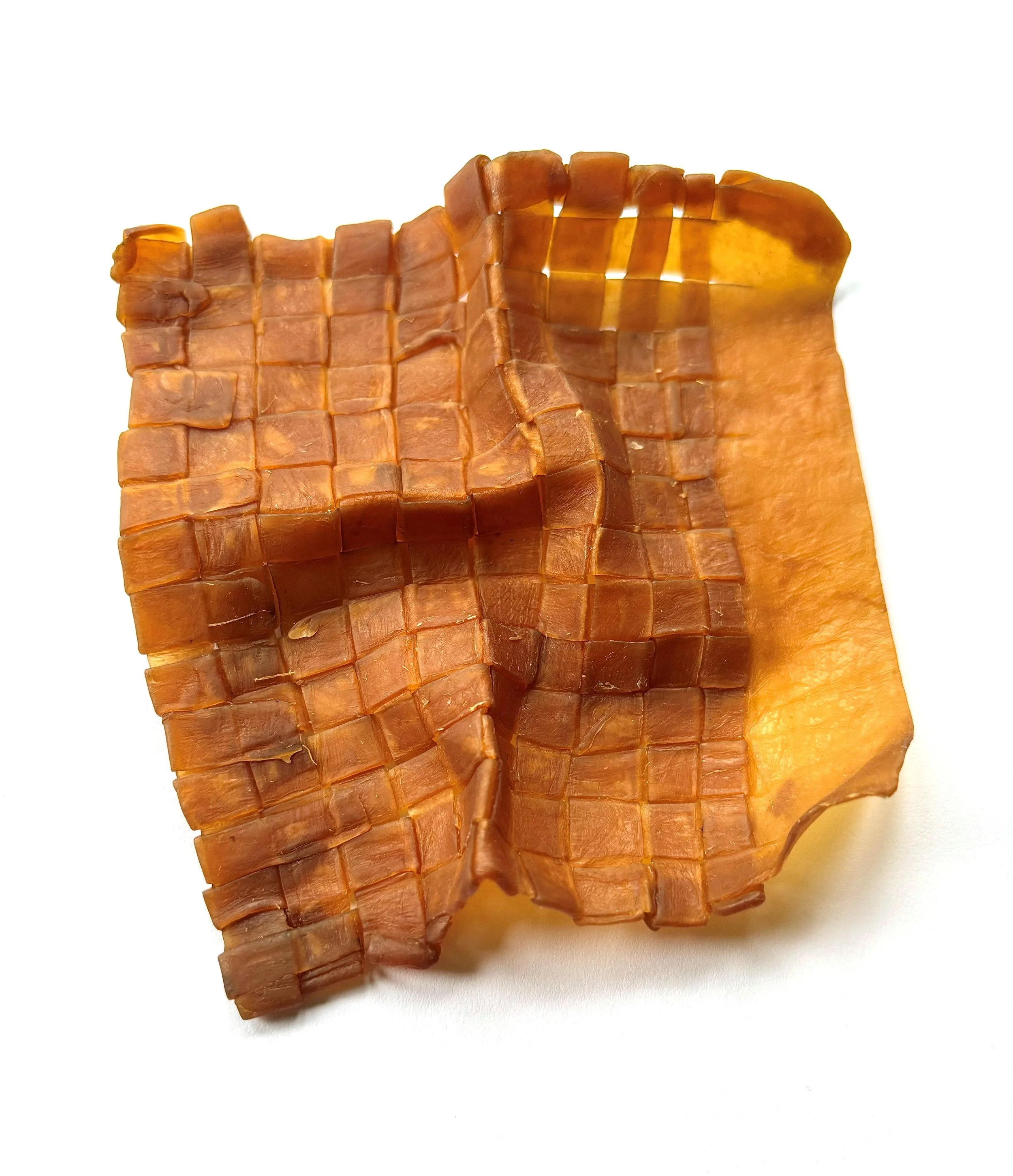
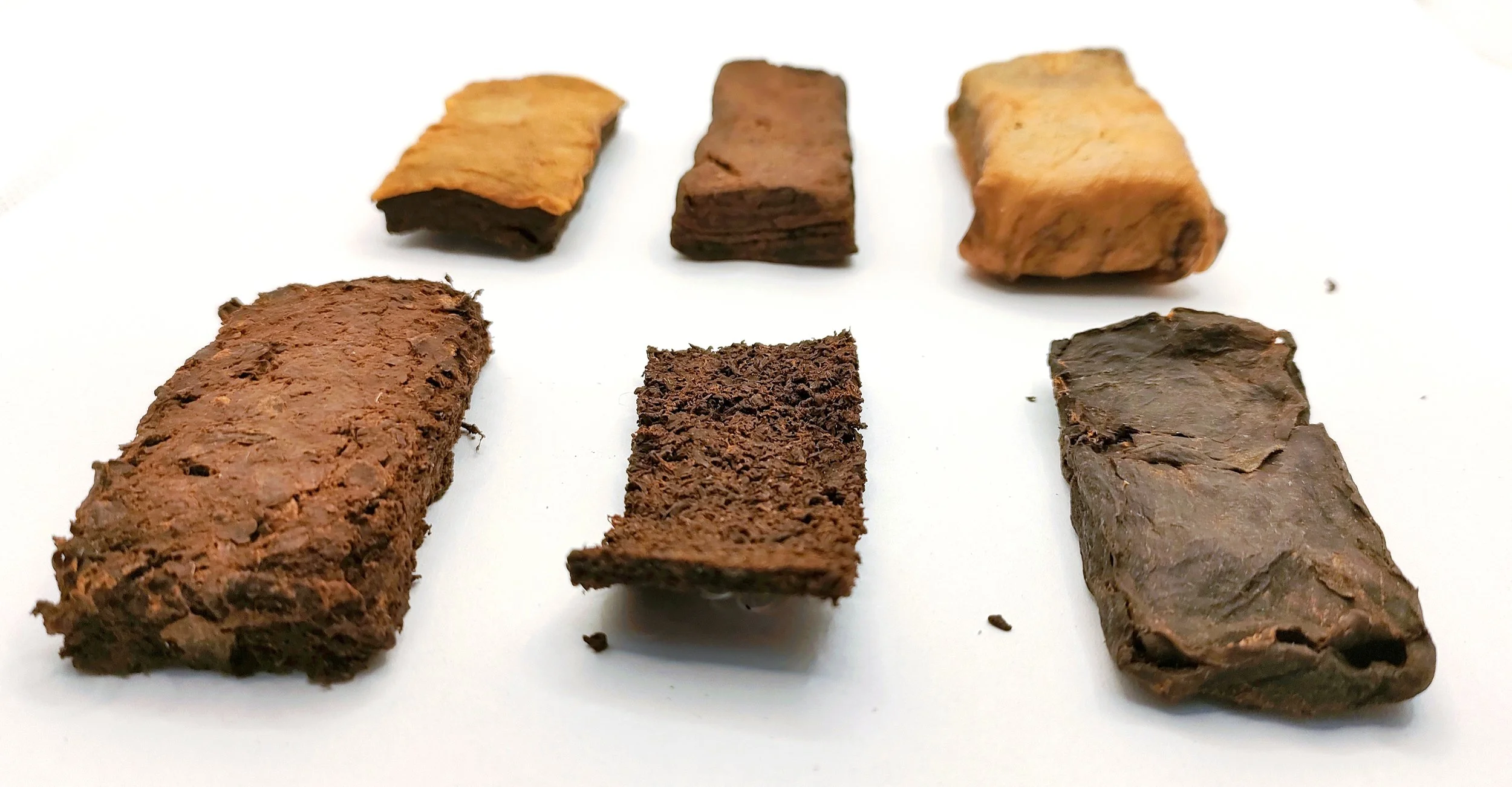
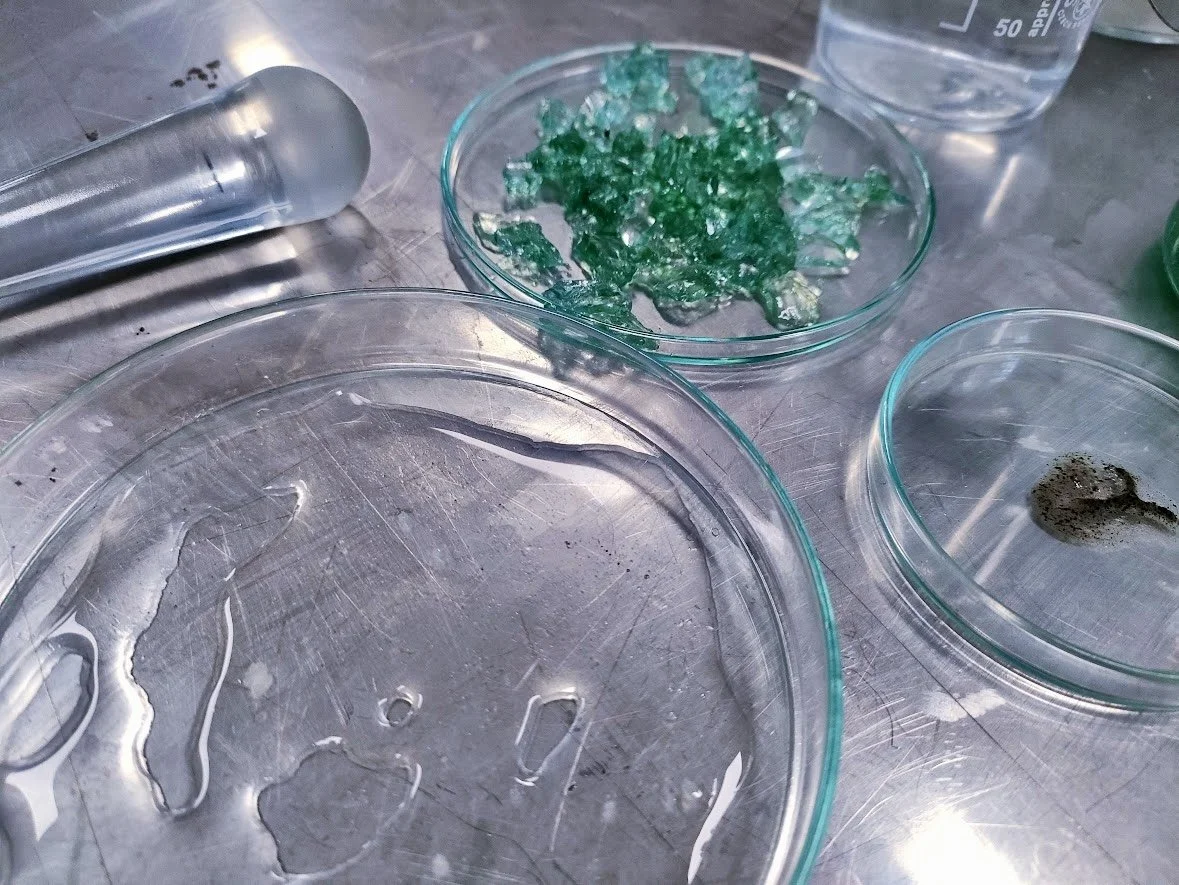
During the summer school, the team explored bacterial cellulose in both its wet and dry states, pushing its limits through post-growth manipulations such as cutting, shaping, and blending. We also experimented with smart integrations, combining BC with sensors and digital fabrication techniques to imagine responsive, sustainable material systems. This hands-on approach revealed exciting possibilities for bio-based design in architecture and textiles.
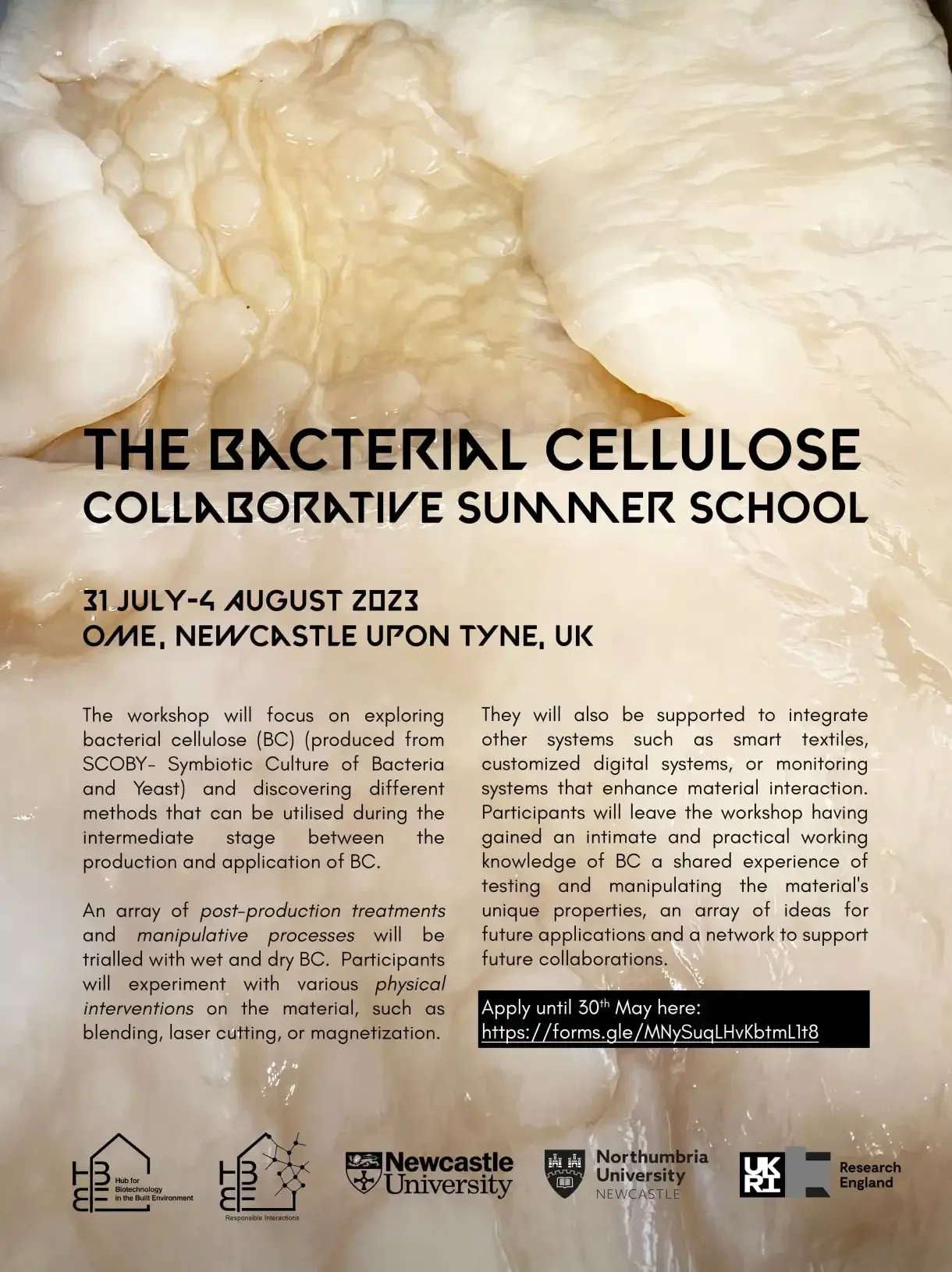
Image: http://bbe.ac.uk/the-bacterial-cellulose-collabortative-summer-school-call/